13 Oct 2026
It is nine at night, you want a coffee, and you have been told that is a bad idea. The usual compromise is a cup of something that tastes vaguely of coffee and leaves you wishing you had not bothered.
That reputation comes from how decaf used to be made, and it is about thirty years out of date.
What decaffeination actually removes
Caffeine is a single compound. It is bitter on its own, but it carries almost none of the flavour you taste in a cup, which comes from hundreds of other compounds created in the fruit and in the roast. In principle you can take the caffeine out and leave the coffee intact.
In practice the difficulty is that caffeine is stubborn and sits inside the bean, so you have to open the bean up to reach it. Whatever you use to do that has a tendency to take flavour with it. The whole history of decaffeination is about getting the caffeine out while losing as little as possible of everything else.
The three methods, briefly
- Solvent based. The oldest commercial approach. Green beans are treated with a chemical solvent that bonds to caffeine and is then driven off. It works and it is safe, but it is the method behind decaf's flat reputation.
- Carbon dioxide. CO2 under high pressure behaves as a solvent that targets caffeine fairly selectively. Effective, and expensive enough that it is mostly used at industrial scale.
- Water based. No chemical solvent at any stage. Caffeine is drawn out into water, which is then passed through carbon filters that catch the caffeine molecules and let the flavour compounds through. The flavour-loaded water goes back to the beans.
What Mountain Water process means
Our Zerocaff uses the Mountain Water process, which is the water based method carried out in Mexico using water from the glaciers of Pico de Orizaba, the country's highest mountain.
The sequence runs like this. Green beans are soaked so the caffeine dissolves out along with everything else water soluble. That liquid passes through activated carbon filters sized to catch caffeine and let the flavour compounds through. The beans are then returned to that same flavour-saturated water, so there is no concentration gradient pulling their character out a second time. What is left is around 99.9 percent caffeine free, with no chemical solvent used anywhere in the process.
Is decaf completely caffeine free?
No, and nothing honest will claim otherwise. A standard decaf espresso holds somewhere in the range of 2 to 5mg of caffeine, against roughly 70 to 100mg in a regular one. For almost everyone that difference is the whole point. If you are avoiding caffeine on medical advice, it is worth confirming with your doctor rather than taking a number on a bag.
How to brew it well
Decaffeinated beans behave slightly differently in the roaster and in the grinder. They are a little more brittle and tend to roast faster, so they are usually a touch darker than they look.
Two practical notes. Grind a fraction coarser than you would for the same dose of regular coffee, because the beans break down more easily and a standard setting can run fine and choke the shot. And treat it as fresh coffee, because it is: same three day to four week window, same storage rules.
What it tastes like
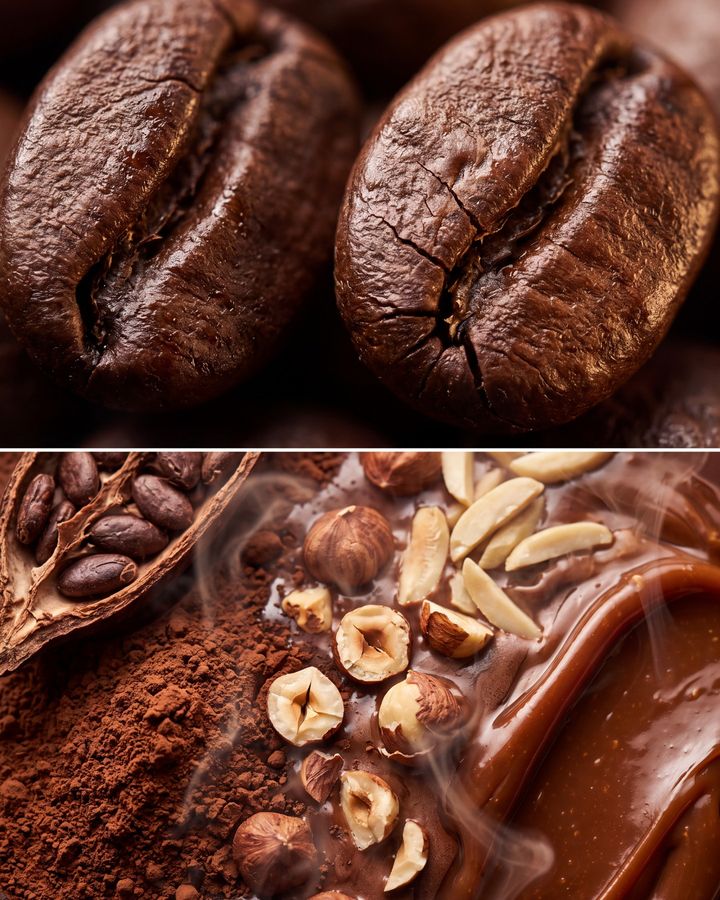
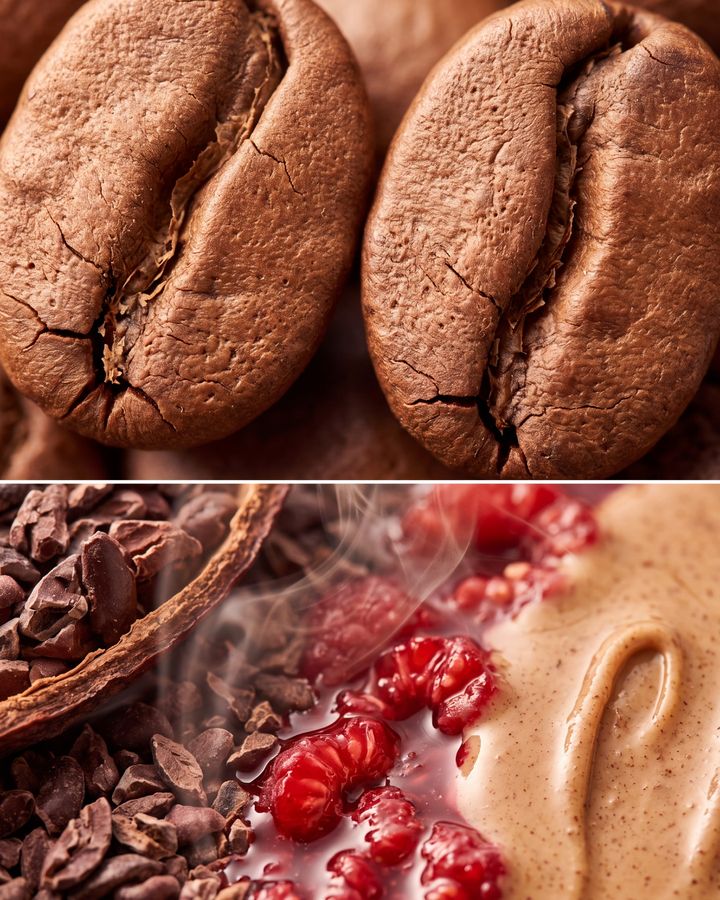
Zerocaff reads as deep cacao, nutty, with caramel through the finish. It is a 250g bag, built to work as an espresso and to hold up under milk, which is what most people want from a coffee at nine at night.
The test we would suggest is a simple one. Make it for someone without telling them, and see whether they ask.